
- English
- Español
- Português
- русский
- Français
- 日本語
- Deutsch
- tiếng Việt
- Italiano
- Nederlands
- ภาษาไทย
- Polski
- 한국어
- Svenska
- magyar
- Malay
- বাংলা ভাষার
- Dansk
- Suomi
- हिन्दी
- Pilipino
- Türkçe
- Gaeilge
- العربية
- Indonesia
- Norsk
- تمل
- český
- ελληνικά
- український
- Javanese
- فارسی
- தமிழ்
- తెలుగు
- नेपाली
- Burmese
- български
- ລາວ
- Latine
- Қазақша
- Euskal
- Azərbaycan
- Slovenský jazyk
- Македонски
- Lietuvos
- Eesti Keel
- Română
- Slovenski
- मराठी
- Srpski језик

How Can a Nylon Wheel Cable Ground Roller Make Underground Cable Installation Safer and More Efficient
Article Summary: Underground cable installation requires more than skilled technicians and high-quality cables. The right supporting equipment can significantly affect pulling efficiency, cable protection, and installation safety. A Nylon Wheel Cable Ground Roller provides a smooth, controlled path for underground power cables, especially when cables need to pass through straight sections, bends, and trench corners. Designed for cable guidance and support, these rollers help reduce friction, prevent cable misalignment, and protect cable surfaces during installation. This guide explains how nylon wheel cable ground rollers work, how to select the right model, and why they are an important part of professional underground cable installation.
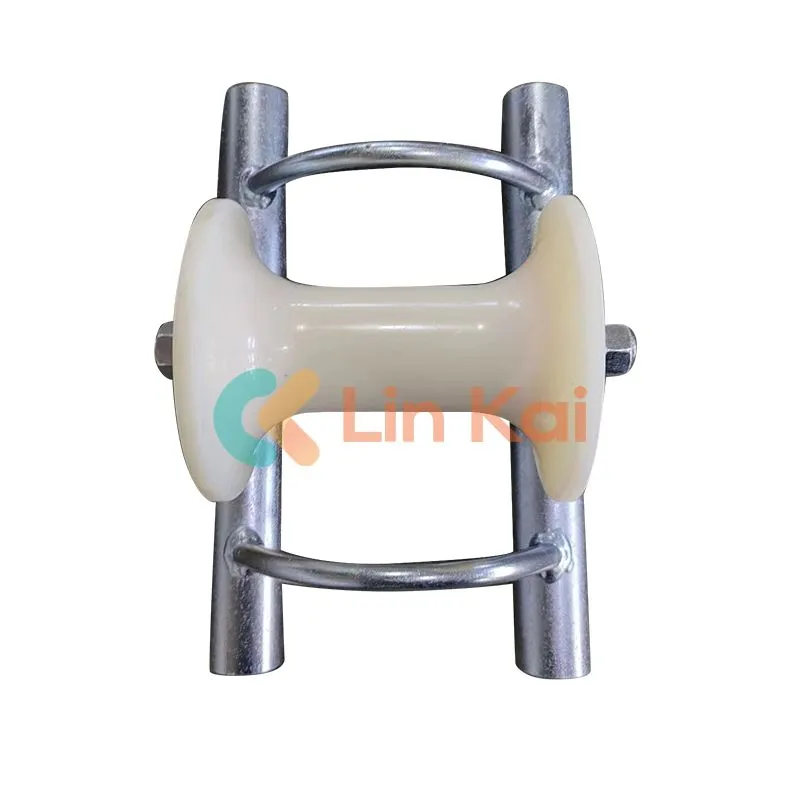
Table of Contents
- Why Does Underground Cable Installation Need Ground Rollers?
- What Is a Nylon Wheel Cable Ground Roller?
- What Are the Key Features of Nylon Wheel Cable Ground Rollers?
- What Technical Specifications Should Buyers Consider?
- Where Are Nylon Wheel Cable Ground Rollers Used?
- How Should You Select the Right Cable Ground Roller?
- How Do These Rollers Improve Cable Installation?
- How Can You Maintain Cable Ground Rollers?
- Frequently Asked Questions
- Conclusion
Why Does Underground Cable Installation Need Ground Rollers?
Underground power cables can be heavy, flexible, and difficult to control during installation. When a cable is pulled directly across the ground or trench surface, friction and uncontrolled contact may increase pulling resistance and create unnecessary stress on the cable sheath.
This is where a Nylon Wheel Cable Ground Roller becomes valuable. Instead of allowing the cable to drag directly over concrete, soil, gravel, or other surfaces, the roller provides a controlled rolling path. At bends and changes in direction, properly positioned rollers also help maintain the intended cable route.
Professional cable installation can benefit from rollers because they help:
- Guide cables along the planned installation route.
- Reduce direct contact between the cable and ground surface.
- Minimize friction during cable pulling.
- Reduce the possibility of cable slipping or moving outside the trench path.
- Support cables at straight sections and corners.
- Improve overall installation consistency and job-site safety.
Lingkai's product information specifically describes nylon wheel cable ground rollers as equipment for guiding and supporting cables, particularly at bends where cable stability is important.
What Is a Nylon Wheel Cable Ground Roller?
A Nylon Wheel Cable Ground Roller is a cable installation tool designed to support and guide underground cables while they are being pulled into position. It generally consists of a supporting frame, roller or sheave, shaft, and bearing assembly.
The nylon wheel is particularly useful because it provides a smooth contact surface for the cable. During cable pulling, the wheel rotates as the cable moves, helping the cable travel through the installation route rather than continuously sliding against the ground.
Depending on the installation configuration, different roller designs can be used. Straight-line rollers are suitable for relatively direct cable routes, while corner rollers are designed for cable installation at trench corners.
According to Lingkai's product specifications, its cable ground roller range includes straight-line configurations and corner rollers, with models designed for cables up to approximately Ø200 mm. The rollers are mounted on bearings, while the frames are made from galvanized steel.
What Are the Key Features of Nylon Wheel Cable Ground Rollers?
1. Smooth Nylon Contact Surface
The nylon wheel creates a rolling contact surface between the cable and the installation equipment. This helps guide the cable while reducing unnecessary dragging across rough surfaces.
2. Bearing-Mounted Rollers
Bearings allow the sheaves to rotate as the cable moves. This design supports smoother cable movement and can help reduce resistance during installation.
3. Galvanized Steel Frame
A galvanized steel frame provides a practical structural solution for demanding installation environments. Cable installation often takes place outdoors, inside trenches, or at construction sites where equipment may encounter moisture, dust, and mechanical handling.
4. Multiple Configurations
Different cable diameters and installation routes require different roller dimensions. The available configurations include models with nylon or aluminum rollers and different frame constructions.
5. Support for Large-Diameter Underground Cables
Lingkai specifies that its nylon wheel cable ground rollers can be used for underground power cable installation up to Ø200 mm, although the appropriate model should be selected according to the actual cable diameter and installation conditions.
What Technical Specifications Should Buyers Consider?
Choosing a cable roller based only on appearance can lead to an unsuitable installation setup. Professional buyers should evaluate cable diameter, working load, frame construction, wheel material, roller configuration, and site conditions.
The following examples are based on the specifications published for Lingkai's straight-line cable roller range:
| Model | Working Load | Cable Diameter | Roller / Frame Construction | Weight |
|---|---|---|---|---|
| SHL1N | 10 kN | Ø150 mm | Cast Aluminum Frame + Nylon Roller | 3.6 kg |
| SHL1BN | 10 kN | Ø150 mm | Steel Plate Base + Nylon Roller | 3.7 kg |
| SHL3BN | 10 kN | Ø200 mm | Steel Plate Base + Nylon Roller | 8.0 kg |
| SHL1GN | 10 kN | Ø150 mm | Steel Tubing Frame + Nylon Roller | 3.3 kg |
| SHL3GN | 10 kN | Ø200 mm | Steel Tubing Frame + Nylon Roller | 8.0 kg |
| SHLG1N | 10 kN | Ø150 mm | Steel Tubing Long Legs + Nylon Roller | 7.8 kg |
These specifications show why model selection matters. A roller designed for a smaller cable should not automatically be used for a larger or heavier cable. Buyers should match the roller's rated working load and cable diameter range to the actual project requirements.
Where Are Nylon Wheel Cable Ground Rollers Used?
Nylon wheel cable ground rollers are primarily associated with underground power cable installation. They can be positioned along cable routes to provide continuous support while the cable is pulled from a reel toward its final position.
Typical applications include:
- Underground power cable installation: Supporting cables as they are pulled through trenches.
- Utility infrastructure projects: Helping installation teams control cables along planned underground routes.
- Industrial electrical projects: Supporting heavy cables during plant and facility construction.
- Trench corner installation: Using corner rollers to guide cables around directional changes.
- Large-diameter cable projects: Selecting suitable roller models for cables approaching the Ø200 mm range.
For corner installations, Lingkai lists dedicated cable corner roller models with working loads ranging from 8 kN to 10 kN and cable sizes from ≤Ø80 mm to ≤Ø150 mm.
How Should You Select the Right Cable Ground Roller?
A practical selection process should begin with the cable rather than the roller. Before purchasing, installation teams should collect the key project parameters and compare them with the manufacturer's specifications.
Step 1: Confirm Cable Diameter
Measure or confirm the outside diameter of the cable. This is one of the most important parameters because the roller must provide appropriate support without restricting cable movement.
Step 2: Check Cable Weight and Pulling Conditions
Heavy cables can generate considerable mechanical load during pulling. The selected roller should have sufficient working-load capacity for the installation conditions.
Step 3: Identify Straight and Corner Sections
A straight cable route and a sharp trench corner do not necessarily require the same roller configuration. Use straight-line rollers for straight sections and suitable corner rollers where the cable changes direction.
Step 4: Consider the Installation Environment
Outdoor projects, construction sites, and underground trenches may expose equipment to dirt and moisture. A robust frame construction and suitable bearing arrangement can support reliable operation.
Step 5: Compare Total Project Requirements
For large projects, buyers should consider the number of rollers required, cable route length, spacing, corner quantity, transportation requirements, and installation schedule rather than evaluating only the unit price.
How Do These Rollers Improve Cable Installation?
The value of a Nylon Wheel Cable Ground Roller goes beyond simply supporting a cable. Properly positioned rollers can contribute to a more controlled installation process.
| Installation Challenge | How a Ground Roller Helps | Potential Project Benefit |
|---|---|---|
| Cable dragging against the ground | Provides a rolling support surface | Reduced friction and smoother movement |
| Cable movement outside the planned route | Maintains cable guidance | Better installation control |
| Trench direction changes | Corner rollers guide the cable | More controlled cable routing |
| Heavy cable sections | Provides distributed support | Reduced uncontrolled cable contact |
| Rough installation surfaces | Separates cable from direct ground contact | Improved cable protection |
In practical terms, the objective is to create a controlled cable path from the reel to the final installation position. Correct roller placement can make the pulling operation more predictable and easier for installation crews to manage.
How Can You Maintain Cable Ground Rollers?
Although cable rollers are relatively straightforward mechanical tools, routine inspection can help maintain their performance over repeated projects.
- Inspect nylon wheels before each major installation.
- Check bearings for abnormal resistance or unusual noise.
- Inspect the frame for deformation or visible damage.
- Remove dirt, mud, and debris from moving components.
- Check that the roller rotates freely before cable pulling begins.
- Do not exceed the specified working load.
- Replace damaged components before returning the roller to service.
Maintenance requirements may vary depending on operating frequency, site conditions, cable weight, and handling practices. A basic pre-use inspection is especially important before a long cable-pulling operation.
Frequently Asked Questions About Nylon Wheel Cable Ground Rollers
1. What is a Nylon Wheel Cable Ground Roller used for?
It is used to guide and support underground cables during installation. The roller provides a controlled rolling path that helps reduce direct cable-to-ground contact and supports cable alignment.
2. What cable diameter can Lingkai's rollers accommodate?
Lingkai's published specifications indicate that its nylon wheel cable ground roller range can be used for underground power cables up to approximately Ø200 mm. The correct model should be selected according to the cable diameter and project requirements.
3. Are nylon rollers suitable for heavy underground cables?
They can be suitable when the selected model has an appropriate working-load rating and cable-size capacity. Some listed straight-line models have a working load of 10 kN, but buyers should always verify the actual project load conditions before selection.
4. What is the difference between straight-line and corner cable rollers?
Straight-line rollers are designed primarily for relatively direct cable routes, while corner rollers are intended to support and guide cables around trench corners or changes in direction.
5. Why are bearings used in cable rollers?
Bearings allow the roller or sheave to rotate as the cable moves. This supports smoother cable movement and helps reduce resistance during pulling.
6. What material is used for the roller frame?
Lingkai states that the frames of its cable rollers are made from galvanized steel. Different models can use different frame constructions, including cast aluminum frame, steel plate base, and steel tubing frame designs.
Conclusion
A reliable underground cable installation process depends on controlling cable movement from the beginning of the pulling operation to final placement. A properly selected Nylon Wheel Cable Ground Roller can provide the guidance, support, and rolling contact needed to make cable installation more controlled and efficient.
For professional buyers, the most important considerations are cable diameter, working load, roller configuration, installation route, corner requirements, frame construction, and overall project conditions. With models designed for different cable sizes and installation configurations, Lingkai provides practical solutions for underground cable installation projects. If you are sourcing cable rollers for a utility, industrial, infrastructure, or electrical installation project, explore the Nylon Wheel Cable Ground Roller range and contact us for model selection, technical specifications, and a suitable quotation for your project.